
Ability KC and Aging In Place
Aging in Place Takes Planning, Support and the Right Tools

June 30th, 2026
June is Alzheimer’s & Brain Awareness Month, a time to raise awareness about brain health, dementia and the importance of supporting people through every stage of life.
For people with intellectual and developmental disabilities, these conversations are especially important. People with I/DD are living longer than previous generations. That is something to celebrate. It also means families, caregivers, providers and support teams are having more conversations about aging, memory changes, mobility, communication and long-term planning.
At eitas, we believe aging well is about more than services. It is about choice, dignity, routine, relationships and belonging. It is also about making sure the right supports are in place before a crisis happens.
Aging in Place Is About More Than Staying Home
When people hear the phrase “aging in place,” they may think about someone staying in the same home as they get older. That can be part of it, but aging in place means more than where someone lives.
For people with I/DD, aging in place means having the right supports to continue making choices, keeping familiar routines, staying connected to trusted people and participating in daily life.
It means asking:
What routines matter most?
Who does the person trust?
What places and activities help them feel connected?
What supports may be needed if mobility, memory, communication or daily living skills change?
What changes could help the person stay safer and more independent at home?
Aging in place should not mean doing everything alone. It means support is built around the person’s needs, preferences and goals.
How Ability KC Helps
One important part of aging in place is looking closely at the home environment.
As people age, daily routines may become harder. A person may need support moving safely through their home, using the bathroom, preparing meals, getting in and out of bed, communicating needs or using adaptive equipment.
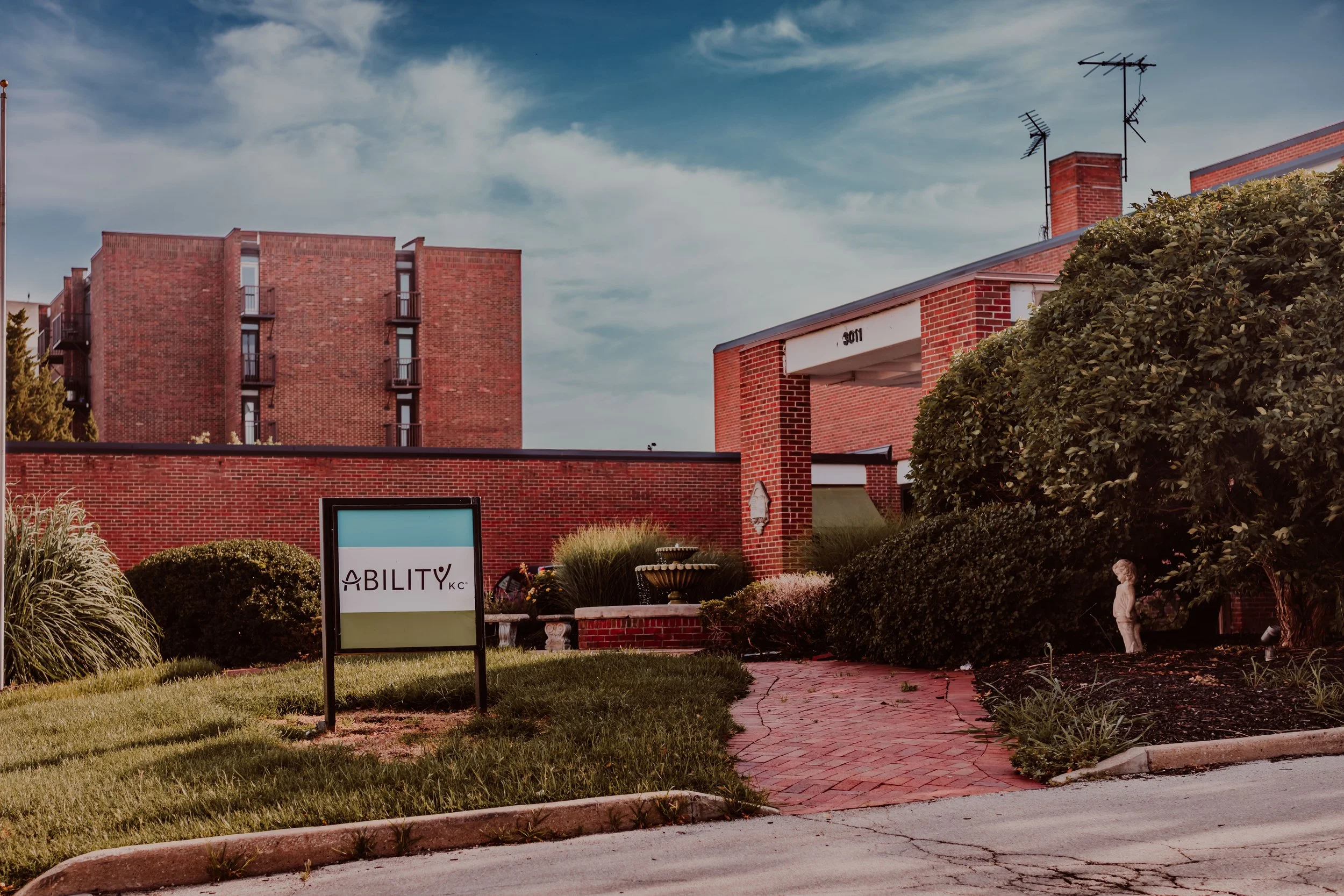
Eitas is proud to help fund Ability KC’s home evaluation program. These evaluations can help identify changes that may support safety, access and independence at home. They can also help families and support teams better understand what home modifications or adaptive equipment may be needed.
Eitas recently met with Suzie Wiley, Manager of the ACCT program at Ability KC, to learn more about how home evaluations and modifications can support people who want to remain in familiar spaces as their needs change.
“People may not always realize that aging in place can benefit everyone,” Wiley shared. “Modifying a home can often be more practical and less costly than moving someone into a nursing home or long-term rehab setting. More importantly, it helps people stay where they feel comfortable, connected and part of their community.”
A home modification may seem simple, but it can make a major difference. A safer bathroom setup, a ramp, adaptive equipment or better access to daily routines can help someone continue doing more of what matters to them.
Wiley also shared that she is seeing more contractors begin to specialize in home modifications. “That is a very positive step,” Wiley said. “It gives people and families more options when they are planning for safety, accessibility and long term independence.”
Communication Is Part of Aging in Place
Aging in place is not only about physical space. It is also about communication.
As people age, communication needs may change. Some people may need new tools, more time, different supports or training for the people around them.
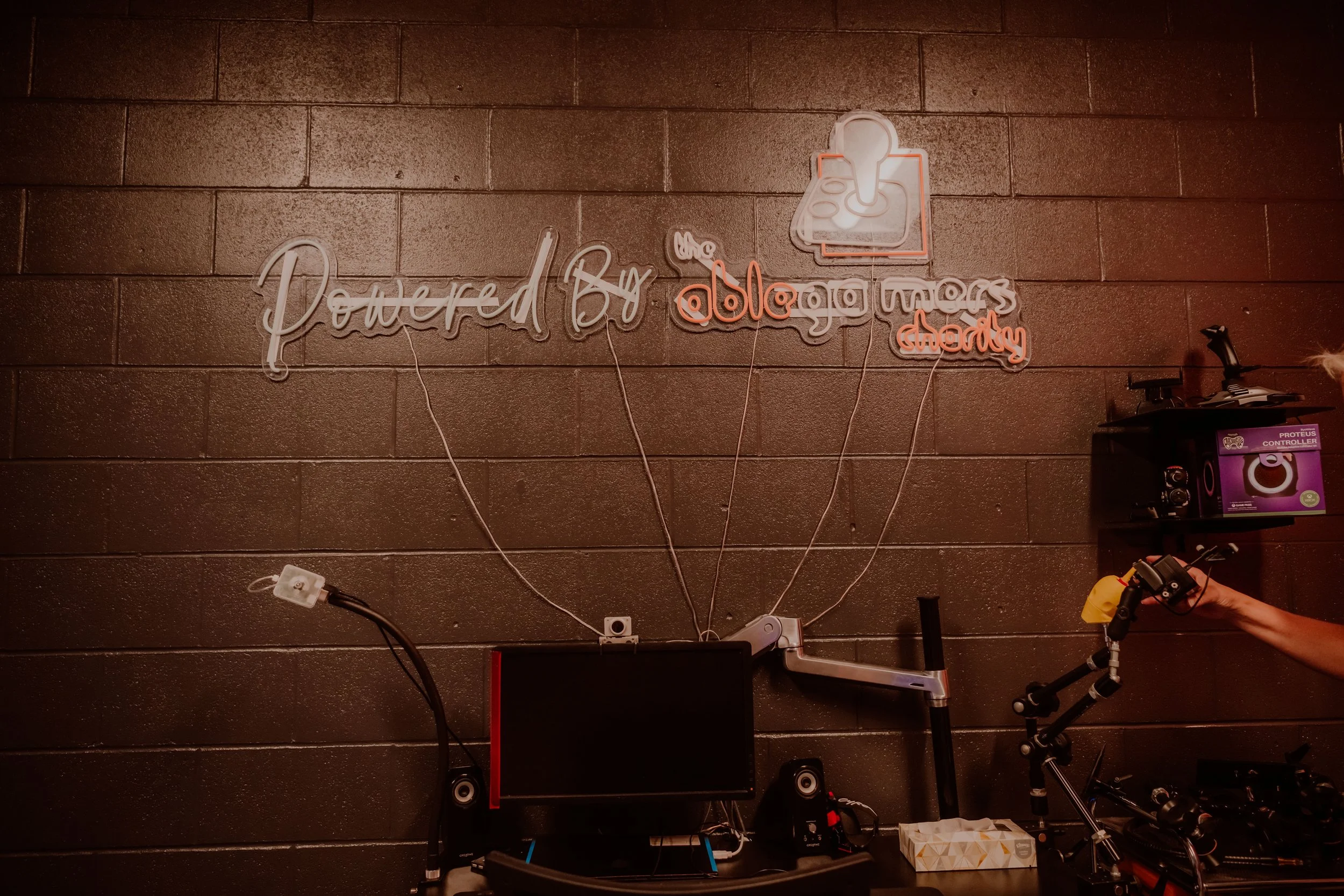
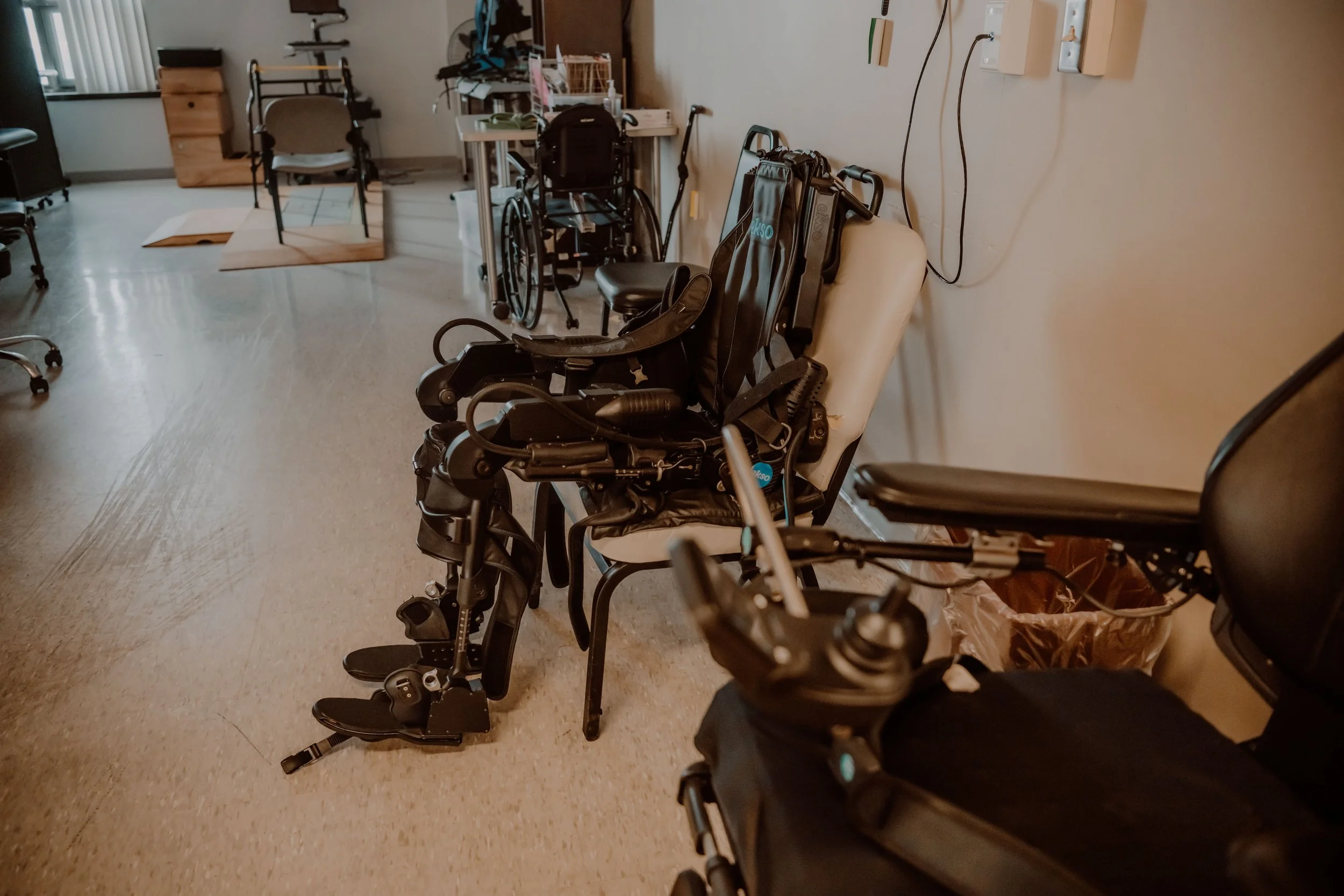
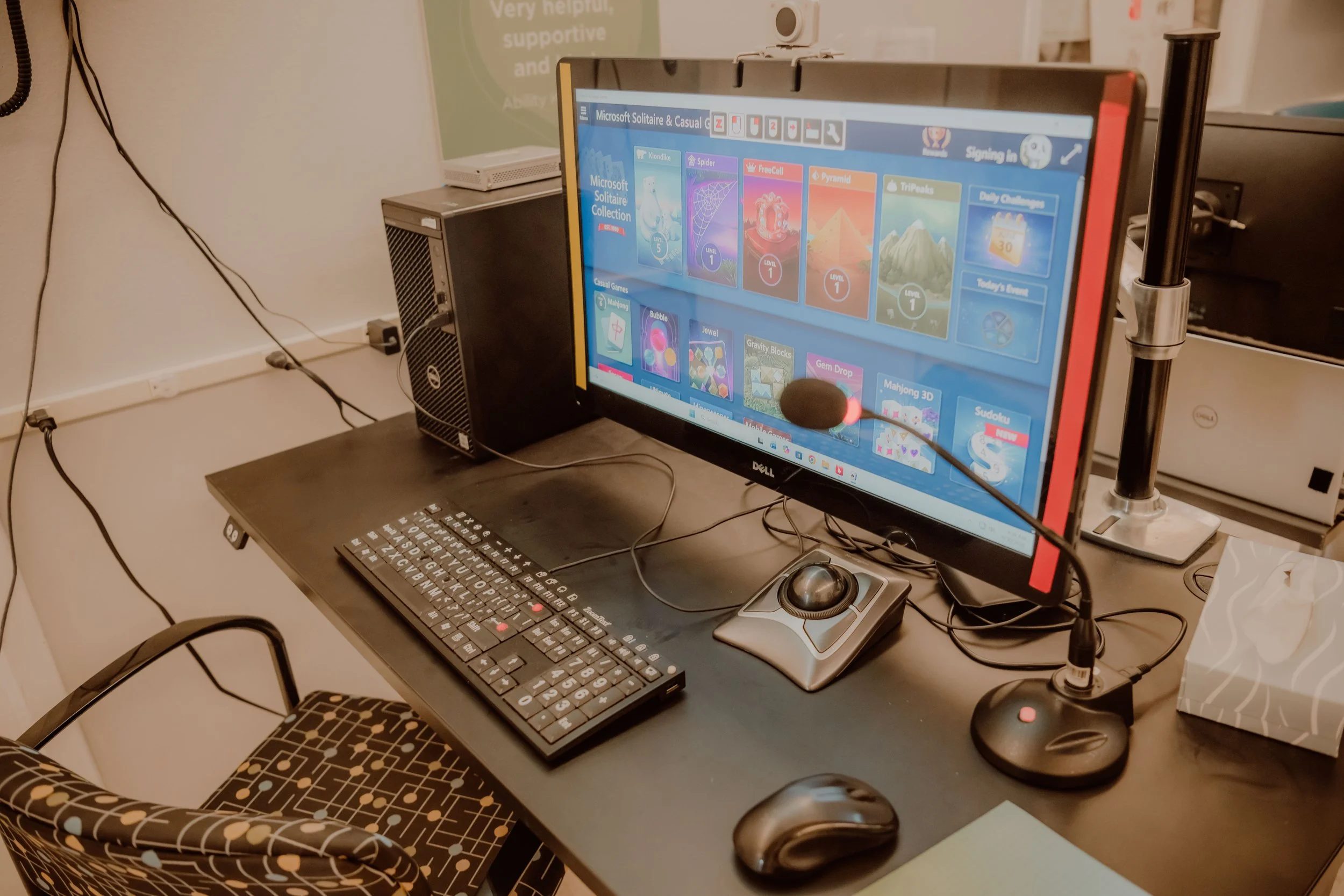
Ability KC’s assistive technology work can support communication tools and strategies that help people participate more fully in daily life. These tools can support independence, confidence and connection.
But a communication tool is only helpful if it is used in real life. Families, providers and residential support teams need to understand how to support communication at home, during appointments, in group homes and out in the community.
Communication should not stop at the front door. When people have the right tools and the right support team, they are better able to share preferences, make choices and stay connected to the life around them.
Planning Ahead Protects Choice
Talking about aging, dementia or future support needs can feel difficult. Many families are not sure when to start or what questions to ask. But planning ahead is one of the best ways to protect a person’s choices.
Planning may include asking:
What changes have family members, providers or Support Coordinators noticed?
Are there changes in mobility, communication, memory or daily living skills?
Would a home evaluation help identify needed modifications or adaptive equipment?
What supports may be needed over time?
The goal of planning is not to take away independence. The goal is to support independence in a thoughtful and realistic way.
The Future Is Here: Ability KC
Ability KC has announced an exciting next step for the future of rehabilitation, assistive technology and community-based support in Kansas City.
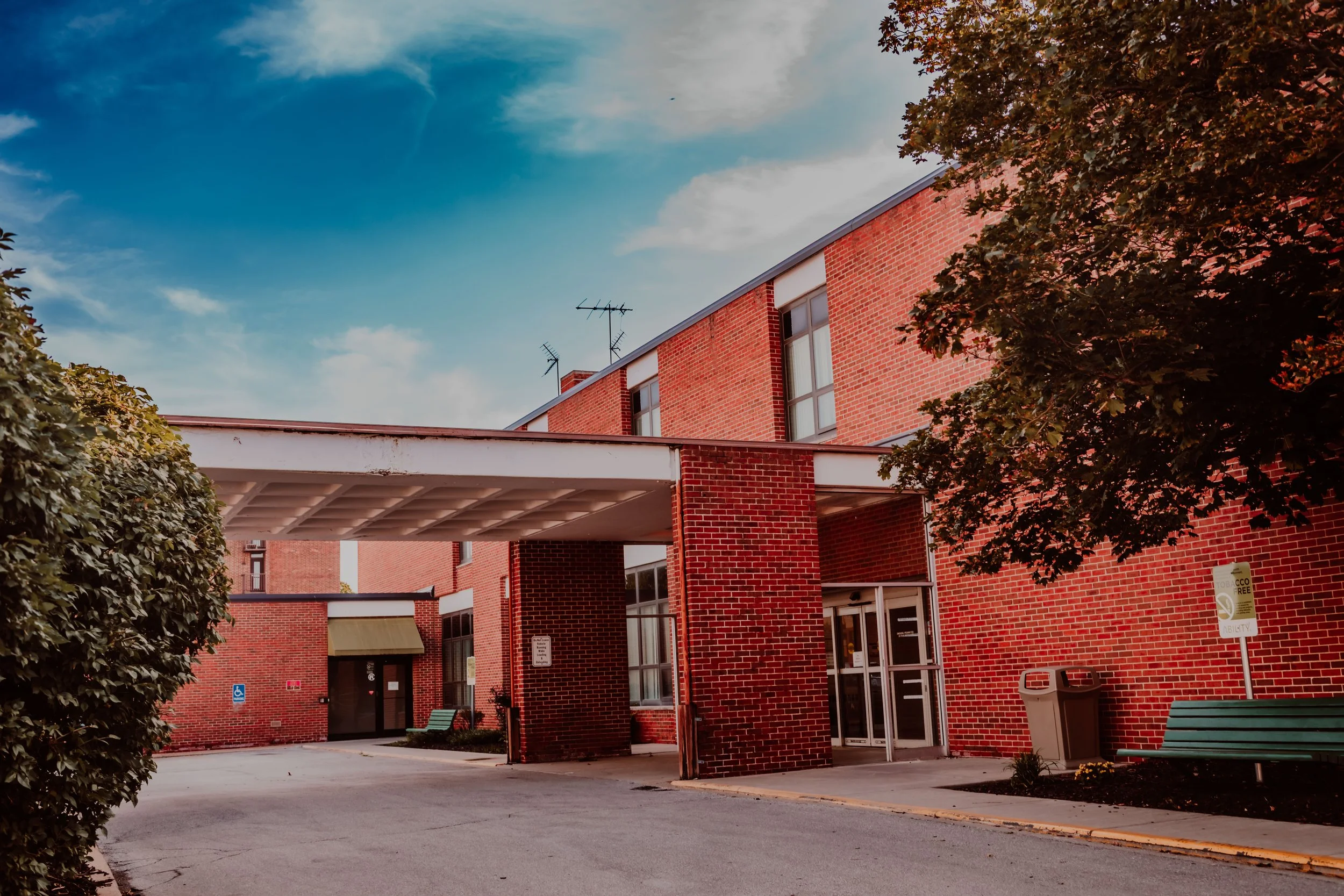
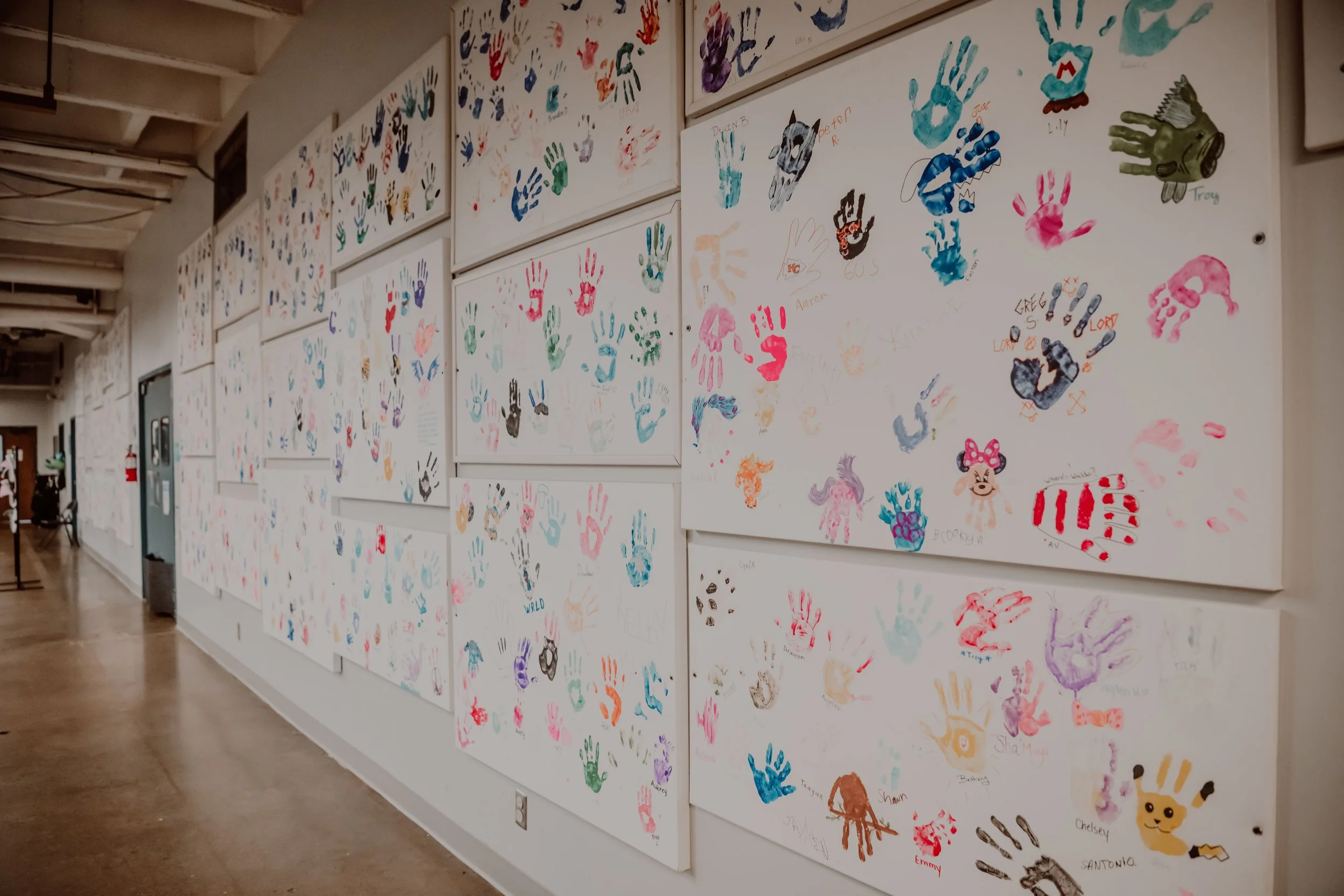
According to the Kansas City Business Journal, Ability KC has acquired the former HNTB office property at 715 Kirk Drive in Quality Hill as part of a major campus redevelopment project. The new campus will allow Ability KC to bring services together in one location and expand access for children, adults and families who need rehabilitation, therapy, education and assistive technology supports.
When community partners grow, the network of support available to people with intellectual and developmental disabilities grows too. More access to therapy, adaptive equipment, communication tools and innovative technology means more opportunities for people to stay connected, make choices and participate in daily life.
During the visit, it was clear that Ability KC is not only thinking about what people need today. They are thinking about what people may need next.
That kind of forward-thinking support is important for aging in place. It helps families, providers and support teams plan ahead instead of waiting for a crisis. It also helps people with disabilities have access to tools that support independence, dignity and belonging.
The future of disability services should be practical, creative and centered on real lives.
Support Teams Do Not Have to Plan Alone
Aging in place works best when people are not planning alone.
Families, guardians, Support Coordinators, providers, therapists, health care professionals and community partners all play an important role. Together, they can notice changes, ask questions and connect the person to supports that fit their needs.
For some people, that may mean therapy or rehabilitation. For others, it may mean adaptive equipment, home modifications, communication support or training for the people providing daily care.
Through partnerships with organizations like Ability KC, eitas helps strengthen the network of support available to people with intellectual and developmental disabilities in Jackson County.
Growing older should not mean losing connection.
Everyone deserves the opportunity to age with dignity, remain involved in their community and continue participating in the life they choose.
Individuals, families, providers and support teams who want to learn more about home evaluations, adaptive equipment or assistive technology services can visit AbilityKC.org or call 816.751.7700 to ask about available supports.