Closing the Gap: Hulme Resources and the Importance of Transition Planning
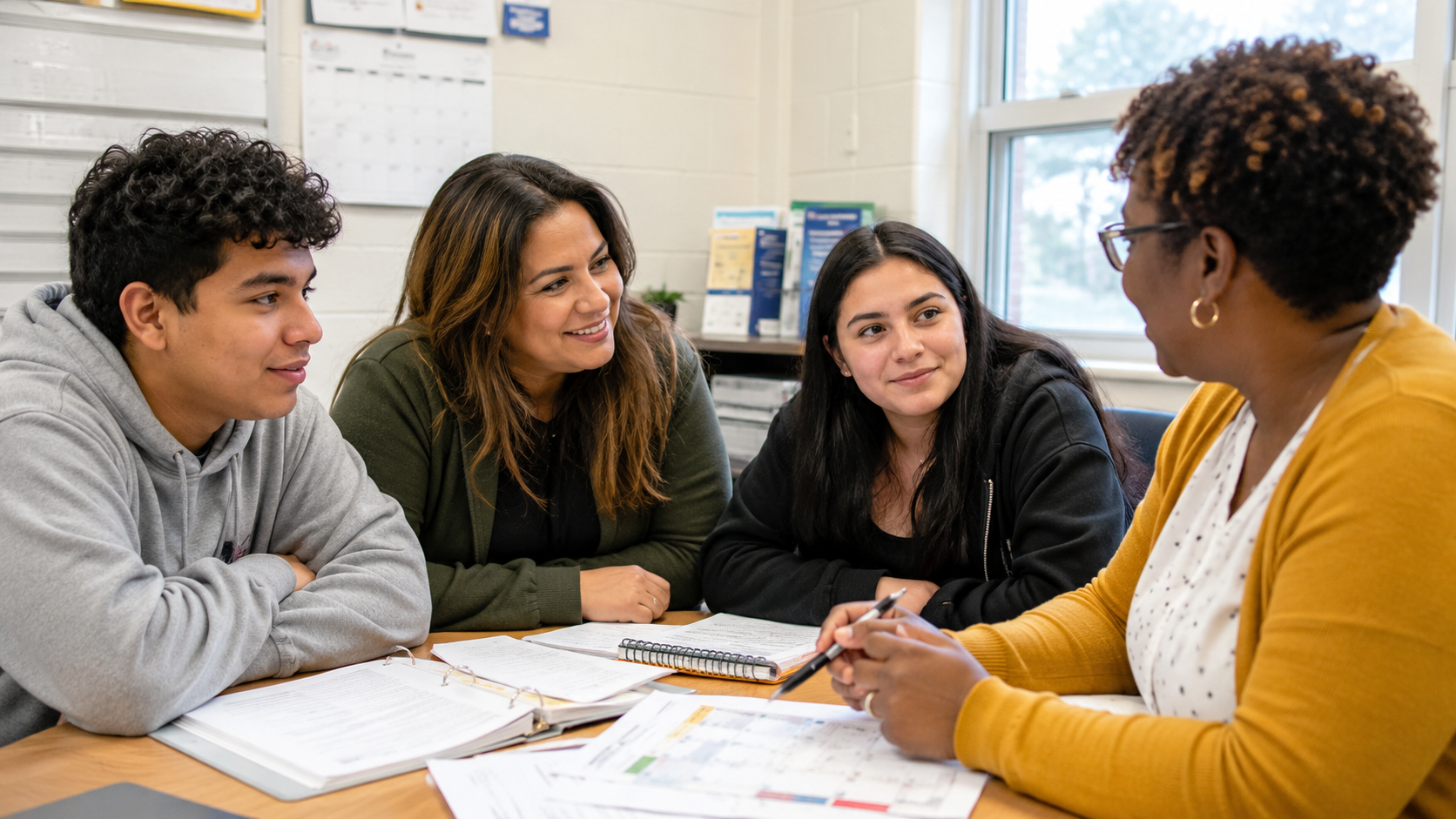
How one organization is helping people and families understand their options, prepare for adulthood and plan before a crisis occurs
Transitions are part of life, but the move from school based services into adulthood can be especially difficult for people with intellectual and developmental disabilities and their families.
Questions about employment, benefits, education, decision making, community participation and long term support may all arise at once. Families can feel overwhelmed, and young adults may not always receive the information or guidance they need before school based services end. Hulme Resources works to close that gap.
As a funded provider through eitas funding, Hulme Resources helps individuals with disabilities and their families understand available options, navigate complicated systems and prepare for what comes next. The organization provides holistic, person centered resources and solutions designed around each person’s needs, goals and circumstances.
Recognizing a gap
Founder Jennifer Hulme has worked in the disability field for approximately 30 years. Across those years, she repeatedly saw young people and families struggle as they approached the transition from school based services into adulthood.
“I felt like I needed to do more and fill a gap. I felt as if people who were transition age were falling through the cracks.” - Jennifer Hulme
That experience shaped Jennifer’s passion for transition planning and the development of Hulme Resources. The organization became a nonprofit in March 2021 and began contracting with the Missouri Department of Mental Health in February 2022.
Today, Hulme Resources offers practical guidance, system navigation and individualized support. Its services include community specialist support, individualized skill development, community networking, support brokerage, benefits planning, family peer support, career planning, job development, supported employment and IEP coaching.
Although those services address different needs, the organization’s approach begins with one central belief: knowledge gives people more choices and a stronger voice in decisions about their own lives.
Transition planning takes time
The move into adulthood can bring questions about work, education, public benefits, transportation, community participation, decision making and long term support. These topics are connected, and families may not know where to begin.
Jennifer explained that some parents are initially too frightened or overwhelmed to talk about transition planning. Before difficult decisions can be discussed, Hulme Resources usually needs to build trust with the individual and family.
The team then helps narrow down options, identify priorities and determine manageable next steps. Planning is not treated as one meeting or one completed form. It is an ongoing process that should change as the person’s goals, circumstances and support needs change.
“I don’t want people to panic. We will develop a strategy and even involve community partners where needed.” -Jennifer Hulme
Person centered support begins with listening
Person centered planning means more than including an individual in a meeting. Their wants, needs, preferences and definition of success should guide the conversation. Families and professionals may offer valuable support, but the individual must have a meaningful say in decisions affecting their life.
For Hulme Resources, this may involve adaptive equipment, assistive technology, communication supports or connections with community partners. The goal is to understand the whole person rather than addressing only one form, benefit or immediate concern.
This approach reflects a principle shared by eitas: Nothing About Me Without Me. When people receive understandable information and space to express what matters to them, they are better positioned to make informed decisions and shape their own future.
Equal access to understandable information
Complex systems often rely on unfamiliar terminology, long documents and rules that are difficult to interpret. Jennifer emphasized that plain language is essential. Information cannot support choice when people cannot understand or access it.
Hulme Resources works with local communities to make information more culturally relevant and accessible. This helps individuals and families understand their options without being excluded by professional language, communication barriers or assumptions about what they already know.
Benefits planning can support employment goals
Employment can be an important part of adulthood, independence and community belonging. At the same time, people and families may worry that working will cause an immediate loss of necessary benefits.
Benefits planning helps people understand how employment and income may interact with public benefits. Programs such as Ticket to Work may allow eligible individuals to explore employment while continuing to receive certain supports. A benefits planner can also identify concerns early, before a small issue becomes a much larger problem.
Jennifer noted that benefits planning often requires creative thinking. The goal is not simply to explain a rule. It is to understand the person’s circumstances, identify options and help them make informed decisions about work and financial stability.
Bringing people and information together
Hulme Resources developed the Inclusive Innovative Exchange to bring support coordinators, caregivers, staff members and other professionals into one shared space. Families are now using the exchange as well.
The exchange creates opportunities to share resources, learn from different perspectives and develop practical solutions together. It reflects the organization’s belief that stronger community relationships can make systems easier to navigate and expand the choices available to people with disabilities.
How waiver services changed community support
The development of Medicaid Home and Community Based Services waivers was a major turning point for people with intellectual and developmental disabilities. Federal authority for Section 1915(c) waivers was created in 1981, allowing states to fund eligible services in homes and communities as an alternative to institutional care. Missouri’s Comprehensive Waiver began in 1989.
“I have seen it change through the years.” - Jennifer Hulme
Waiver services remain an essential part of the support system, but they do not cover every service, situation or person. Gaps can still exist for people who are waiting for services, do not qualify for a waiver or need assistance outside the limits of traditional funding.
Filling gaps through eitas funding
Eitas provides funding for Hulme Resources’ Transitions Program and Alternatives to Guardianship Program. This funding helps Hulme Resources offer assistance that may not be covered through a Medicaid waiver or another traditional funding source.
The Transitions Program helps people and families prepare for adulthood, understand available pathways and identify next steps. The Alternatives to Guardianship Program helps individuals and families consider decision making supports that protect a person’s rights while addressing their needs.
The programs are not intended to serve as crisis response programs. However, Hulme Resources has worked with many people and families who were already facing a crisis when they reached out. Those experiences reinforce why early planning and access to reliable information matter.
Local eitas funding gives Hulme Resources flexibility to address needs that may fall between programs. It can help bridge the space between waiver funded and nonwaiver services while keeping the focus on the individual rather than the funding category.
Looking at the whole person
Hulme Resources does not approach a person as a single service question. Employment, benefits, communication, family concerns, technology, community relationships and long term goals may all affect one another.
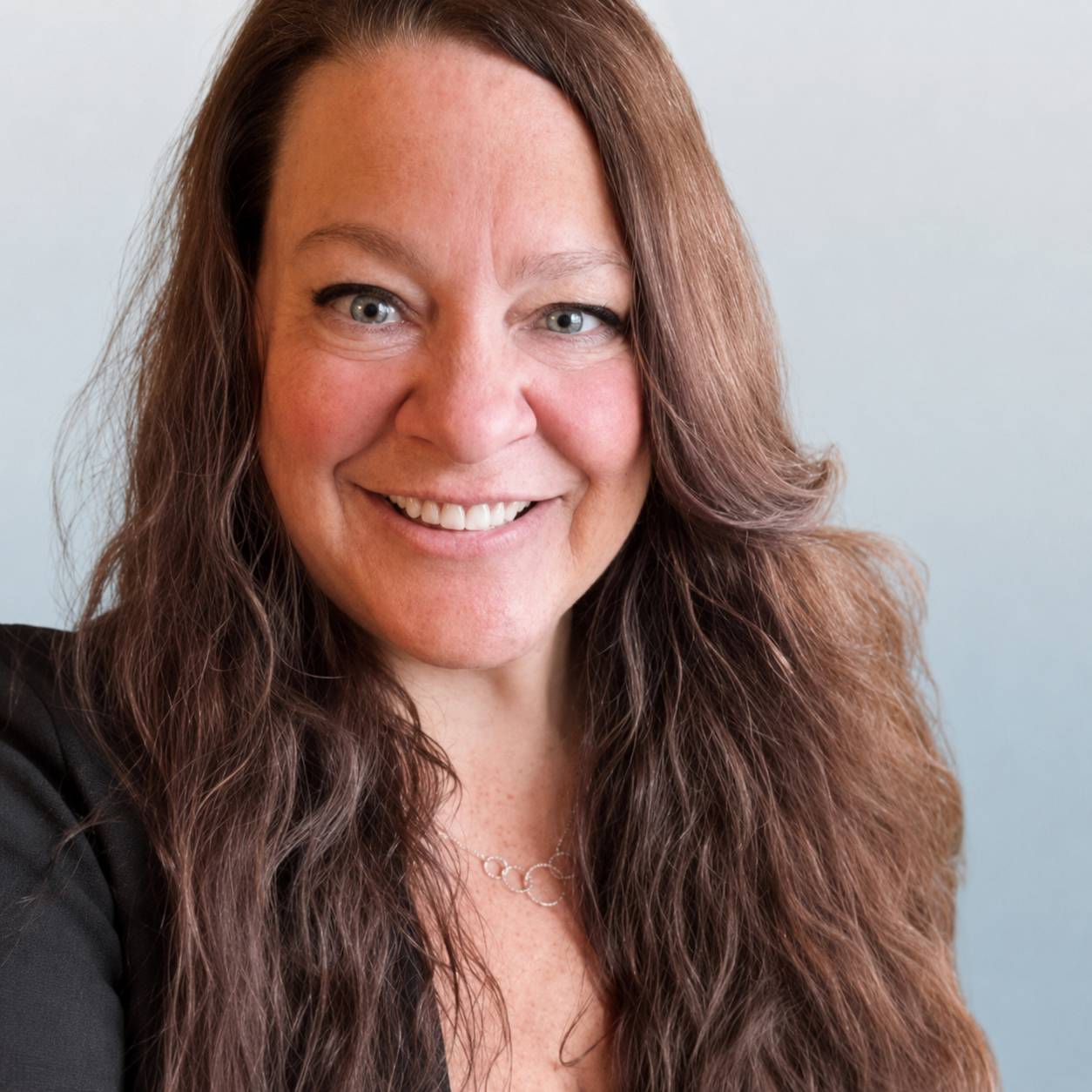
“Hulme offers person centered assistance and focuses on the whole person’s needs.” - Jennifer Hulme
By looking at those needs together, the organization can help individuals and families develop strategies that are more coordinated, realistic and responsive. Jennifer also emphasized the importance of finding staff members whose values align with the organization’s mission and vision.
Continuing to bridge the gap
Looking ahead, Hulme Resources plans to continue strengthening the areas where it has developed the greatest expertise. The organization also wants to keep bridging the gap between waiver funded and nonwaiver services and, where possible, explore opportunities to make additional services available through waiver funding.
Technology will also be part of that future. Hulme Resources is exploring how technology, including artificial intelligence, may be used responsibly to improve access to information and create additional support for people with disabilities.
The tools and systems may continue to change, but the purpose remains consistent: helping people understand their choices, prepare for transitions and shape a future based on their own goals. With Hulme Resources people don’t have to navigate the the process alone. Learn more:
Visit hulmeresources.com to learn more about Hulme Resources
Phone: 816-730-2831 | Email: operations@hulmeresources.com