
FIFA is Coming To Kansas City: Planning Ahead as a Community

Preparing for History
Kansas City is preparing to welcome the world.
In the months ahead, events connected to the FIFA World Cup 2026 will bring an estimated 2 to 4 million additional visitors to our region over a 45 day period.
This is a historic moment for our city. It brings energy, opportunity, and a chance to showcase what makes our community strong.
It will also bring changes to daily life.
We may see more traffic, longer wait times, and increased demand on services many of us rely on every day. For some, these changes will be manageable. For others, they may create real challenges.
At eitas, we focus on what helps people stay steady, supported, and connected. Planning ahead is one way we can do that together.
What to Expect Across Our Community
With this level of activity, we can expect increased demand across many systems we rely on every day.
Public safety resources will be stretched in new ways. There may be more law enforcement and Missouri National Guard presence across the Kansas City region. Response times and availability may look different than usual.
Hospitals and emergency services may also be busier than normal and may feel overwhelmed at times.
There may be staffing challenges as people navigate traffic delays or arrive late to work. This can affect services, appointments, and overall access to support.
Large gatherings will be part of the experience. The Power and Light District, located within two miles of FanFest, is expected to be a central gathering place. In addition, watch parties will take place across bars, restaurants, and pop up locations throughout the city.
Alcohol sales will be extended, with availability for up to 23 hours a day during this period, from 6 in the morning to 7 the next morning. This will contribute to increased activity at all hours.
There are also broader safety considerations that come with events of this size, including cybersecurity risks and concerns related to human trafficking and drug activity.
At the same time, this period overlaps with storm season and summer heat. If cooling systems fail, it may be difficult to find hotel space or affordable alternatives due to high demand.
Travel and Transportation
Movement across the city will look different.
Major highways including I-49, I-35, I-29, I-435, and I-70 may be heavily impacted, especially on match days. Road closures are possible.
Rideshare services such as Uber and Lyft will likely see high demand on both match days and non match days, which may lead to longer wait times and higher costs.
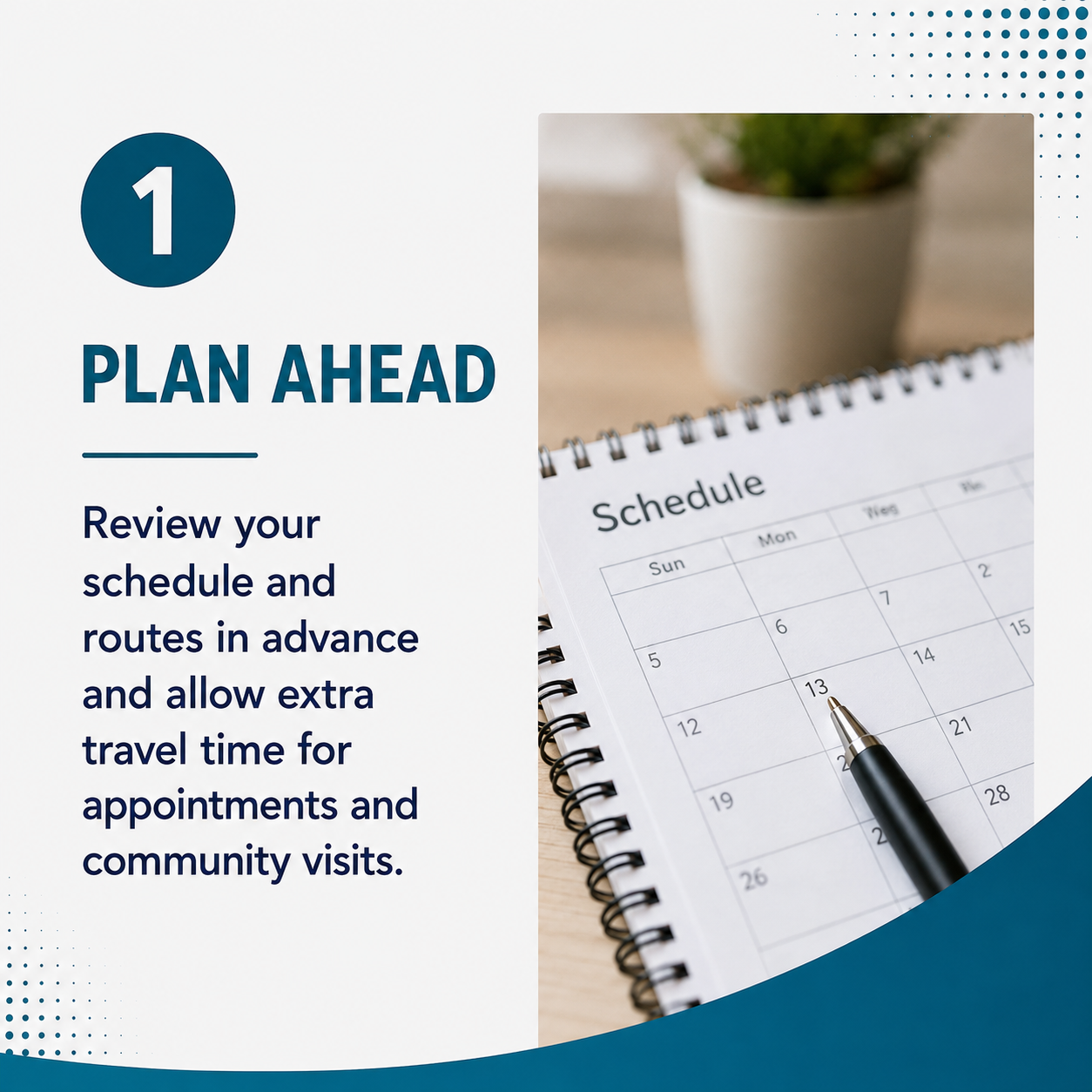
Planning ahead for travel will be important. Leaving earlier than usual and building in extra time can help reduce stress and avoid disruptions.
Communication and Access
In crowded areas, communication systems may be strained.
Cell service may be slow or unavailable at times. Having a backup plan in place can make a meaningful difference. This could include setting meeting locations, writing down important phone numbers, or identifying alternative ways to connect.
Access to healthcare may also be impacted. Hospitals and urgent care centers may be overwhelmed during peak times.
For People with Disabilities, People with I DD, and Their Families
At eitas, we know that large changes in routine can have a real impact on people with disabilities and people with I/DD, as well as their families and support teams.
Crowds, noise, traffic, and schedule changes can increase stress and make daily activities more difficult. Services that people rely on may be delayed or harder to access. Transportation may take longer. Communication challenges may create added uncertainty.
Planning ahead can help create a sense of stability and control.
It may help to review schedules in advance and talk through any expected changes. Knowing what to expect can reduce anxiety and support smoother transitions.
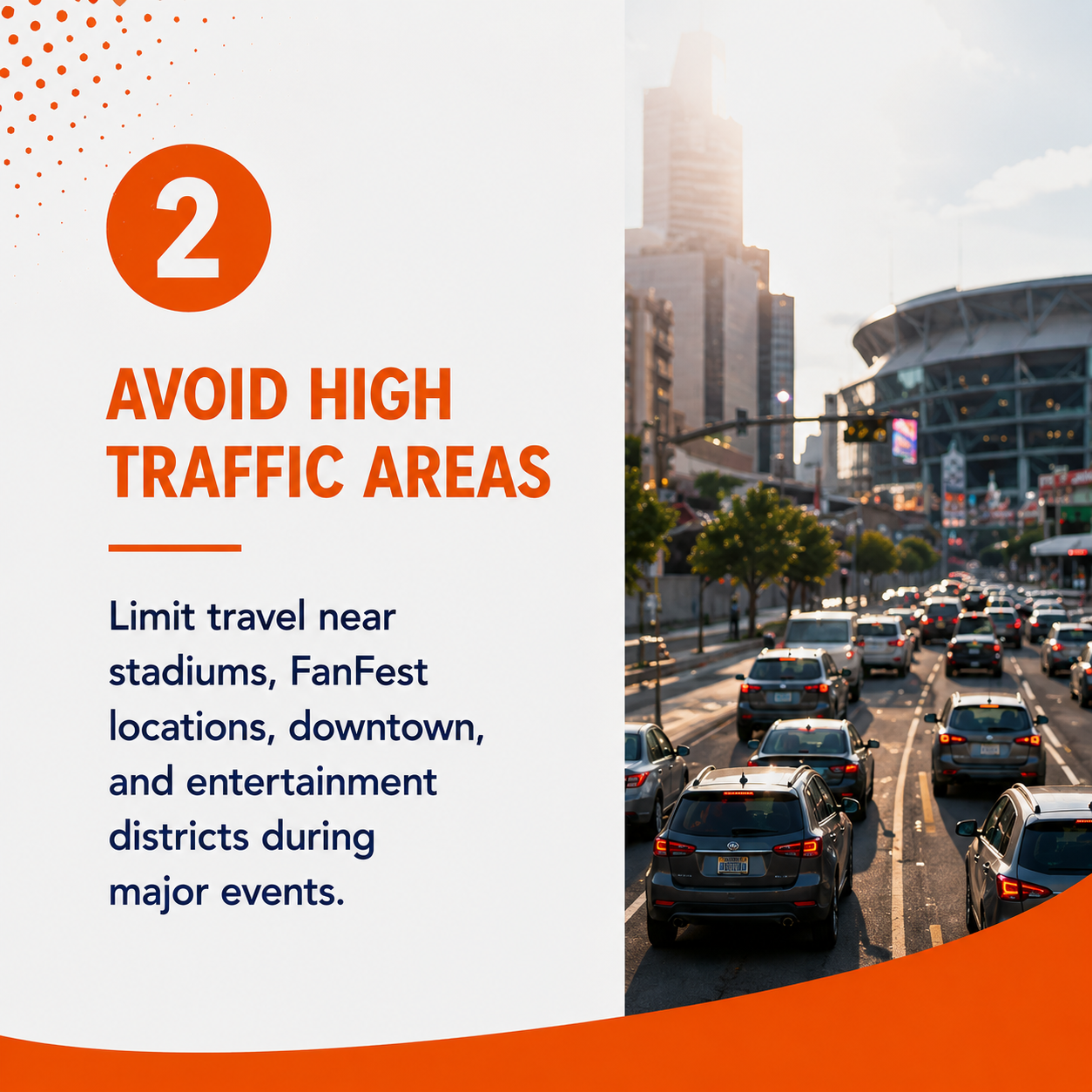
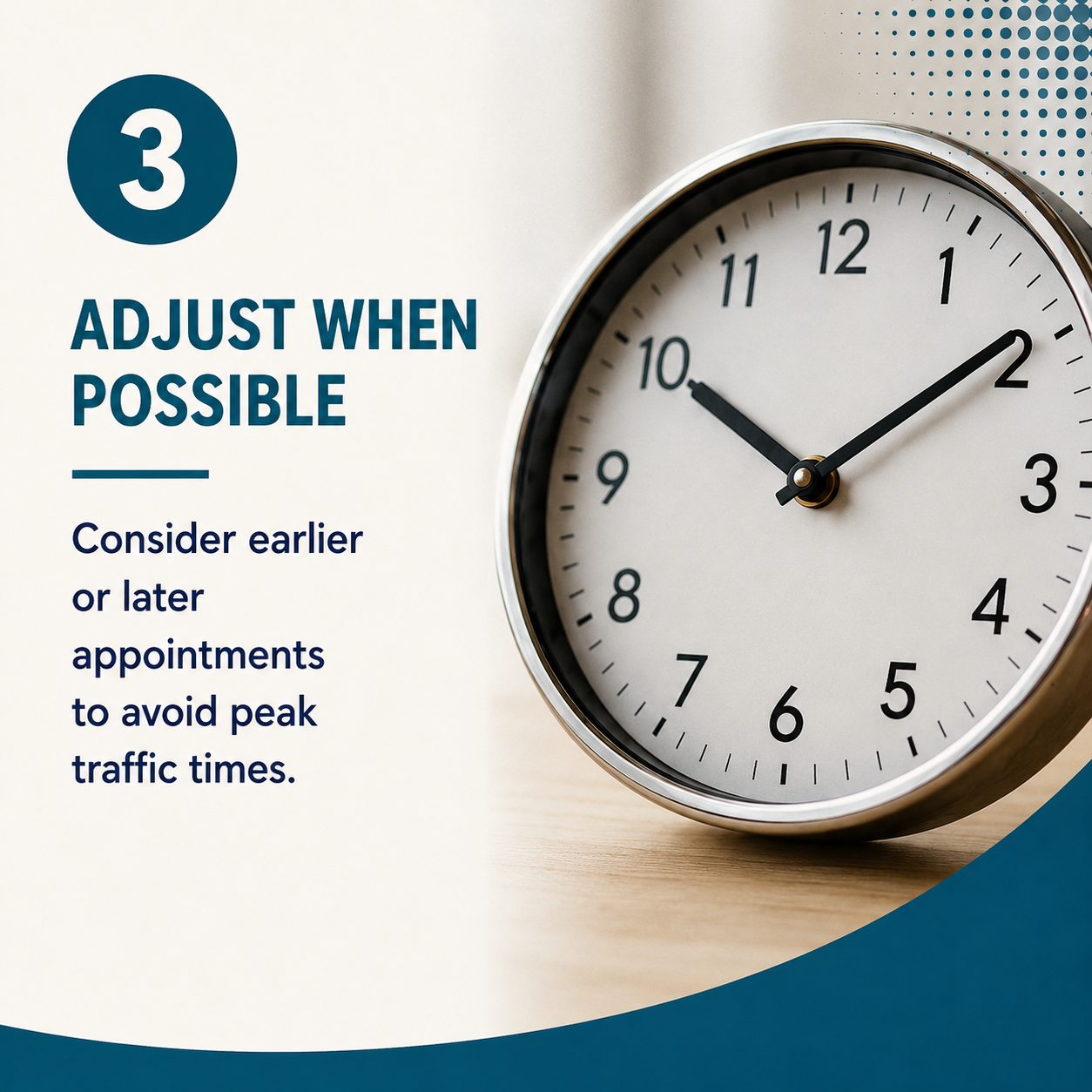
If possible, plan outings during quieter times of day or choose routes that avoid high traffic areas. Building in extra time can make a meaningful difference.
Make sure medications are filled ahead of time and that essential items are easy to access. Having familiar items and routines in place can help support comfort.
It can also help to create a simple communication plan with family members, support staff, or caregivers. Knowing how to reconnect if plans change or if communication is limited can reduce stress for everyone involved.
For families and caregivers, this may be a time to check in with providers, coordinators, and support networks to make sure everyone is aligned and prepared.
Most importantly, it is okay to adjust plans. Staying home, choosing quieter activities, or changing routines is not a step back. It is a way to support well being.
8 Simple Ways to Plan Ahead
Plan ahead for food and household needs. Stores may be crowded, and some items may be limited during major event weekends. Buying a little extra ahead of time can help reduce stress.
Stay on top of medications and appointments. Refill prescriptions early when possible and consider adjusting appointments or using virtual options to avoid heavy traffic days.
Keep vehicles fueled and allow extra travel time. Gas stations, roads, and parking areas may be busier than usual, especially near stadiums, FanFest locations, downtown, and entertainment districts.
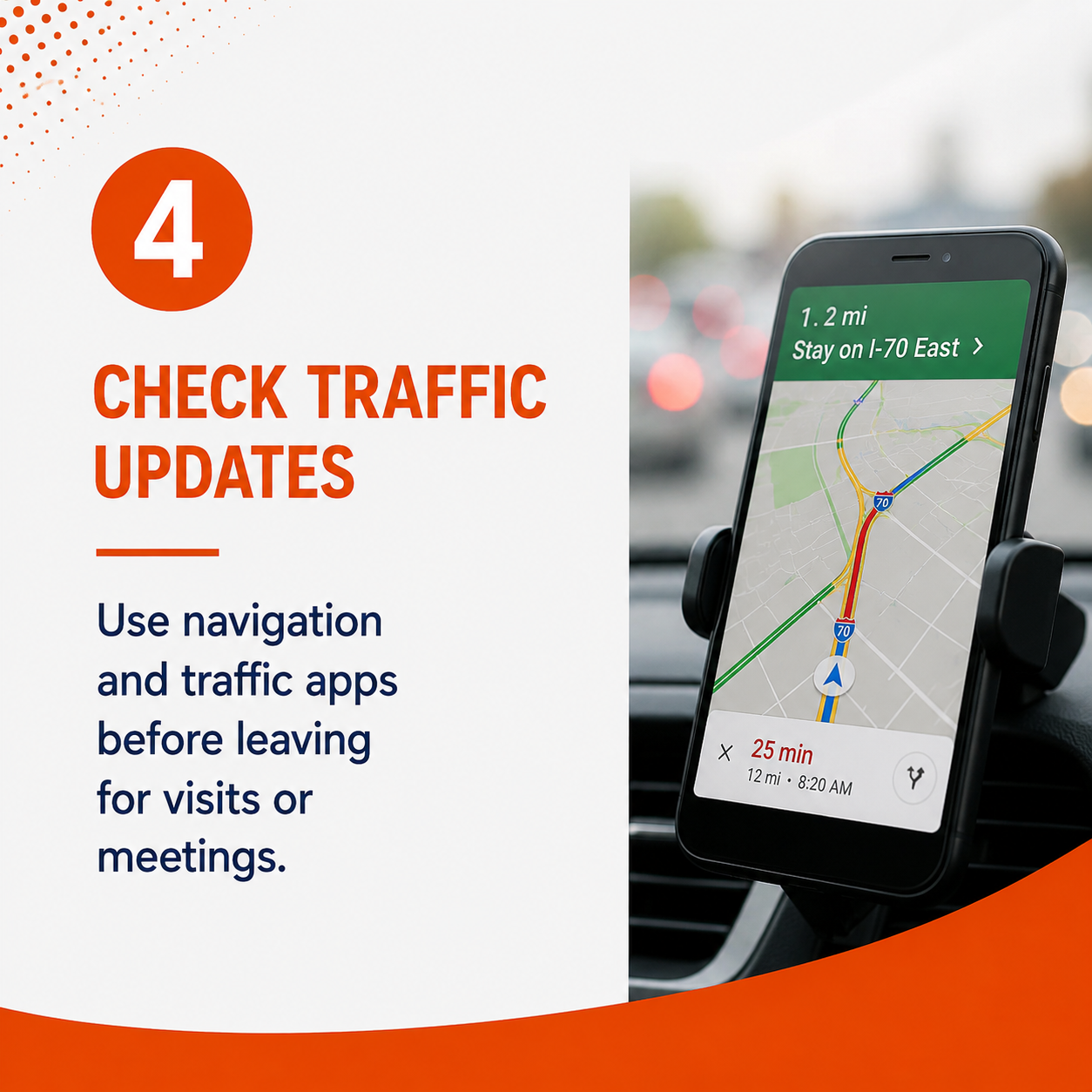
Check traffic updates and review routes before leaving for visits, meetings, or community activities. Navigation apps can help identify delays and alternate routes.
Communicate early with supervisors, coworkers, and the individuals we support if delays or schedule changes occur. Having a backup way to stay connected can also help if phones or travel become unreliable.
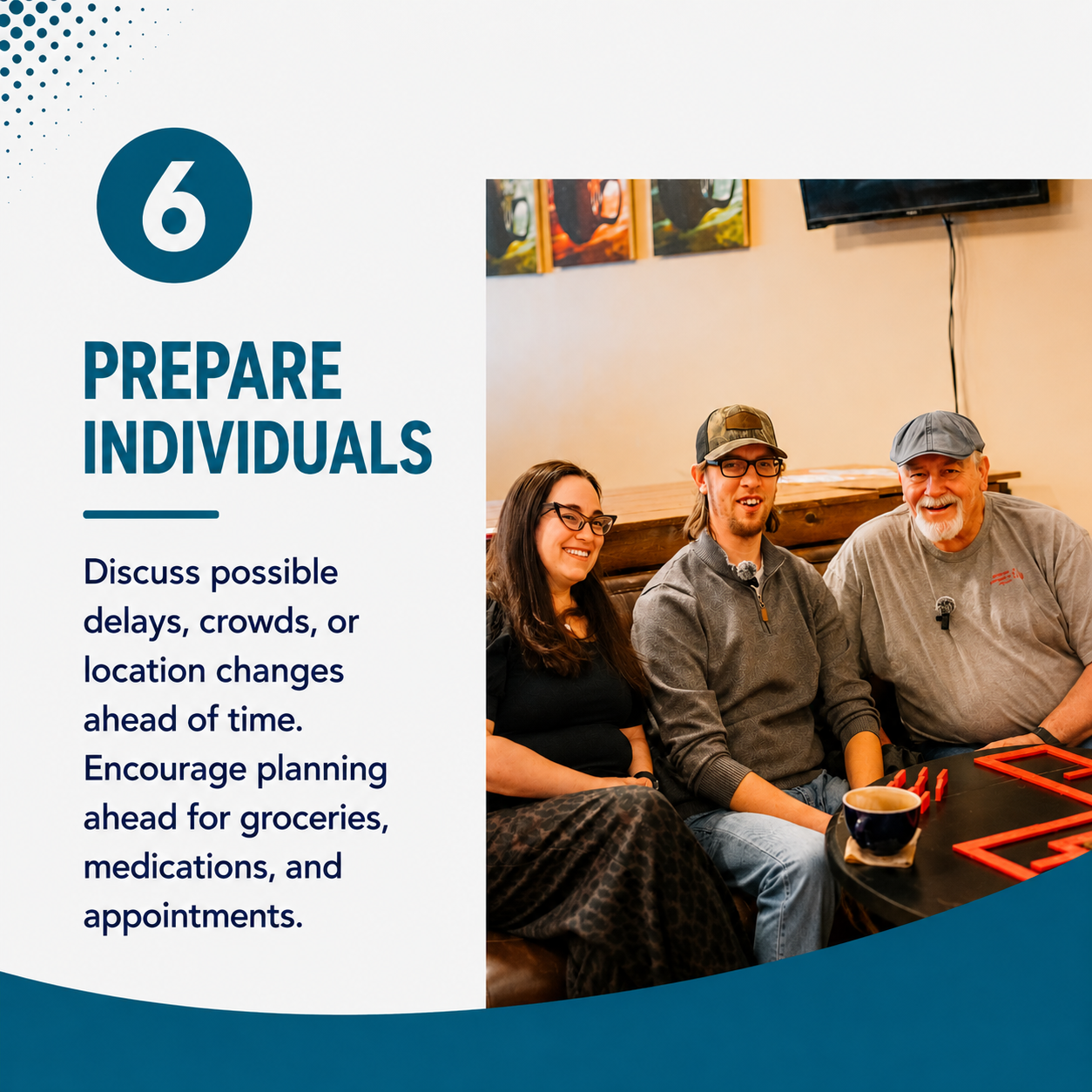
Prepare individuals for changes in routine. Discuss possible delays, crowds, traffic, or location changes ahead of time to help reduce anxiety and support smoother transitions.
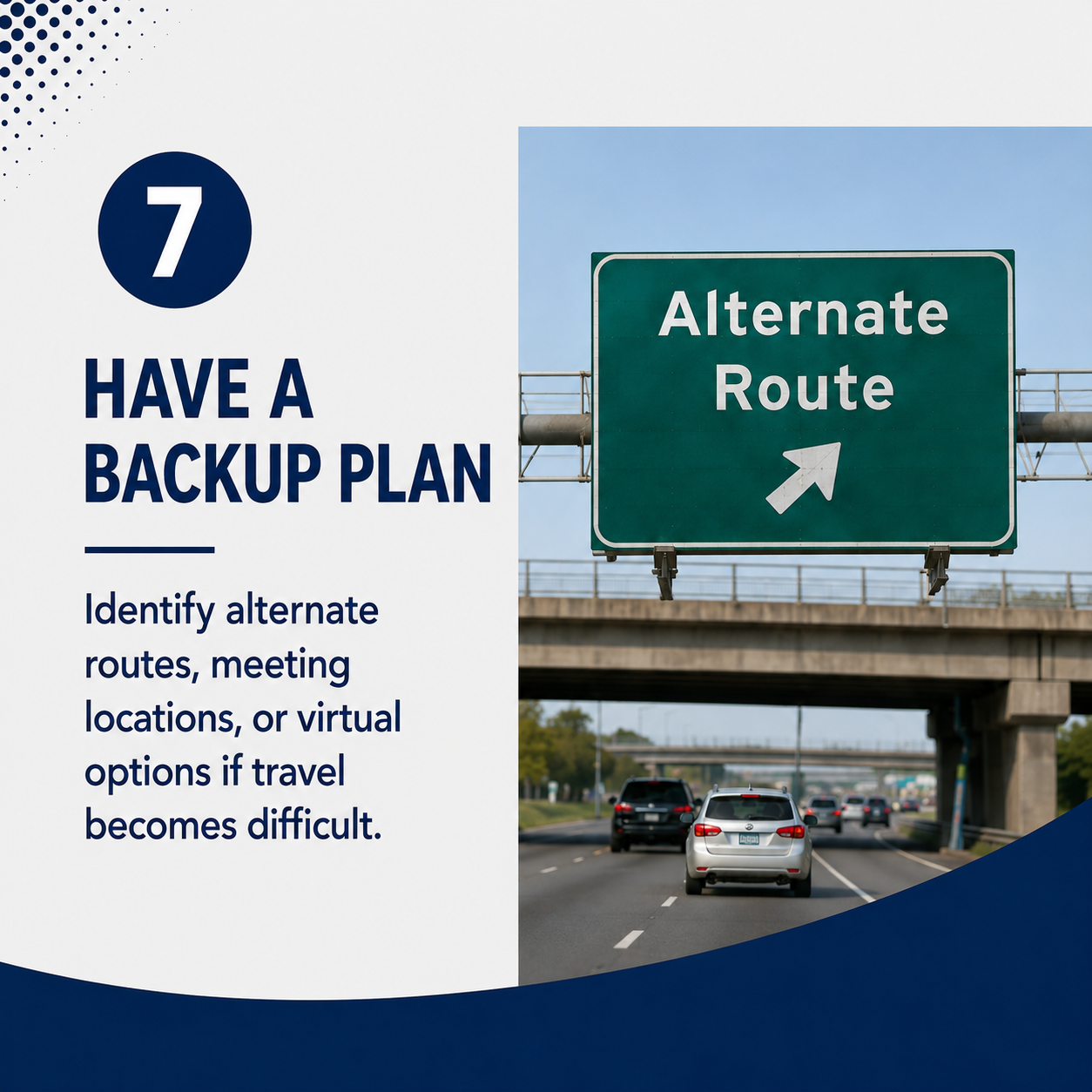
Think about backup plans and home needs. Identify alternate routes, meeting locations, or virtual options if travel becomes difficult. If you rely on air conditioning, now is also a good time to make sure it is working properly.
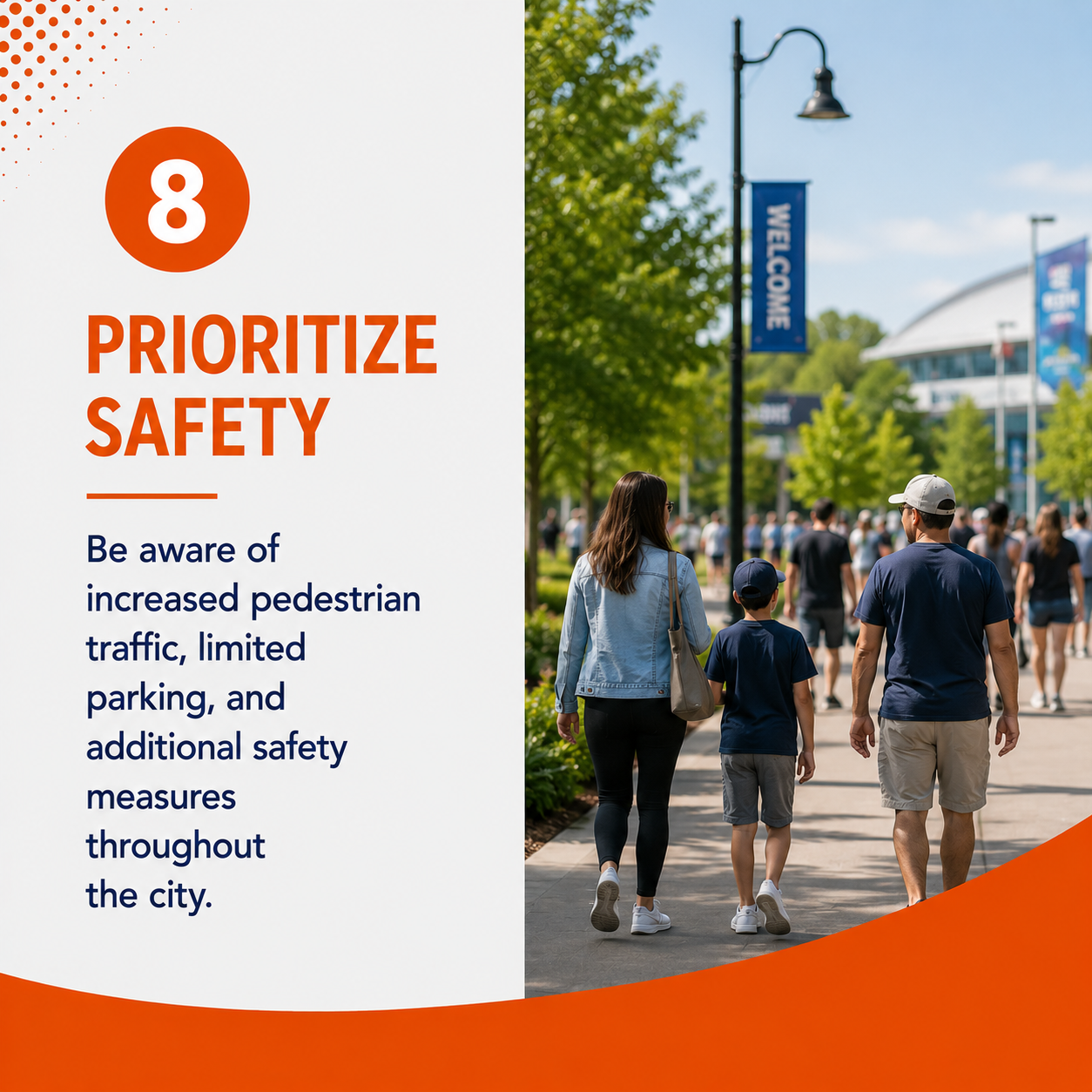
Prioritize safety and know your community resources. Be aware of increased pedestrian traffic, limited parking, and additional safety measures throughout the city. If food or essential needs become difficult to access, local food pantries and community supports may be available to help.
Welcoming the World While Taking Care of Each Other
Kansas City has a chance to be part of something historic.
This moment will bring people from across the country and around the world into our community. For many, this will be their first experience of Kansas City.
We know what makes this place special. It is the way people show up for one another. It is the sense of connection, care, and community that defines who we are.
As we prepare to welcome visitors, we can also take steps to support ourselves, our families, and our neighbors.
Planning ahead allows us to stay grounded in our routines, reduce stress, and make thoughtful choices about what we need each day.
This is an opportunity to show what a strong and supportive community looks like.
We can be ready.
We can be welcoming.
And we can take care of each other along the way.
For more information visit The World Cup Hub